
Culture Transformation
Quadruple your revenue with the team you already have.*
*Proven with our own clients
We rebuild organizational culture until companies run without founders and executives pushing, fixing, or babysitting teams. For CEOs, CHROs, and C-Level leaders at 300 to 30,000 employee organizations.


If any of this feels familiar
You already know something is wrong.
Your organization moves only when leadership pushes.
SOPs exist, but people still wait for instructions.
KPIs are met, but politics, fear, and silos grow.
Growth slows because everything still depends on a handful of people at the top.
This is not a people problem. This is not a strategy problem. This is a culture-level failure.
The Six Levels
Every organization operates at a dominant cultural level.
The Six Levels of Organizations is a diagnostic framework created by Hendrik Ronald that sorts a company’s culture into one of six stages: Level 1 Red, Level 2 Blue, Level 3 Orange, Level 4 Green, Level 5 Yellow, and Level 6 Teal. Most leaders don’t fail because they lack effort. They fail because they are trapped at the wrong level, and every level’s greatest strength is also its trap.

Speed. Decisive action. Founder drive gets results fast.
Total dependency on one person. No scalability, constant burnout.
Stability. Predictable operations. Rules protect against chaos.
Rigid, slow to adapt. Rules replace judgment even when they no longer fit.
Real performance. High achievement culture. Merit gets rewarded.
Internal politics. Burnout. Departments compete instead of collaborate.
Loyalty. Warm culture. Low turnover, strong internal trust.
Avoids hard conversations. Performance plateaus because accountability feels unkind.
Elite, self-motivated teams driven by meaning and mastery.
Obsession and burnout among the core team. Hard to sustain broadly.
Operates without constant leadership intervention. Highly adaptive.
Requires genuine trust and competence already in place. Fails fast without it.
If you recognized your organization in one of these, that’s exactly where a real diagnostic begins.
Want the full picture first? Read the complete profile for every level, the symptoms, the real cost of staying, and exactly how to move up.
Quick Reference
The Six Levels, side by side.
A one-page comparison across all six levels, for teams who want to place their own organization before a diagnostic call.
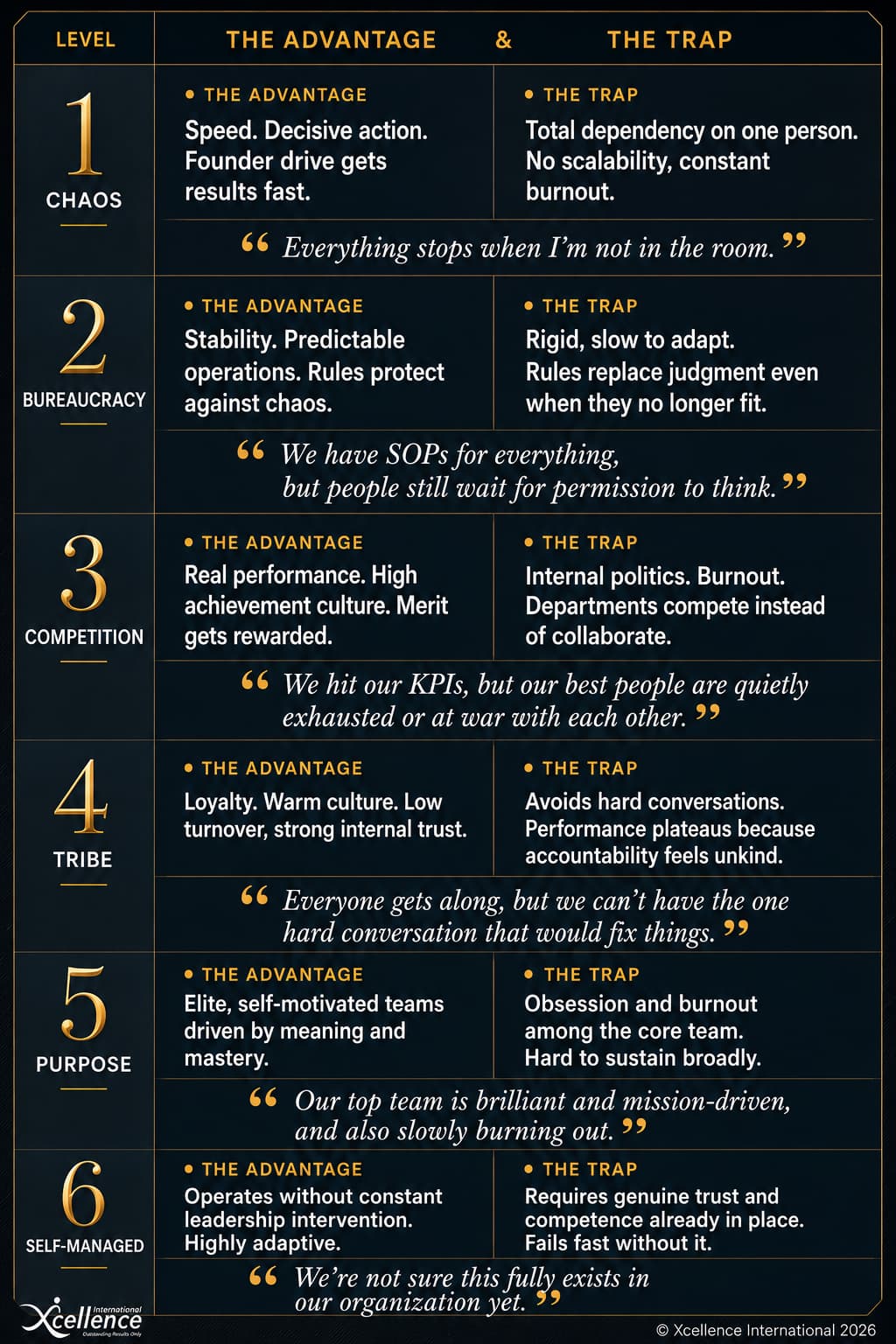
| Level | The Advantage | The Trap |
|---|---|---|
| 1. Chaos | Speed. Decisive action. Founder drive gets results fast. | Total dependency on one person. No scalability, constant burnout. |
| 2. Bureaucracy | Stability. Predictable operations. Rules protect against chaos. | Rigid, slow to adapt. Rules replace judgment even when they no longer fit. |
| 3. Competition | Real performance. High achievement culture. Merit gets rewarded. | Internal politics. Burnout. Departments compete instead of collaborate. |
| 4. Tribe | Loyalty. Warm culture. Low turnover, strong internal trust. | Avoids hard conversations. Performance plateaus because accountability feels unkind. |
| 5. Purpose | Elite, self-motivated teams driven by meaning and mastery. | Obsession and burnout among the core team. Hard to sustain broadly. |
| 6. Self-Managed | Operates without constant leadership intervention. Highly adaptive. | Requires genuine trust and competence already in place. Fails fast without it. |

Most consultants advise from outside
We step inside.
We work directly inside your organization. We don’t stop at workshops, decks, or inspiration. We redesign behaviors, decision flows, leadership habits, and accountability. We leave when your organization no longer depends on us.
Backed by two books
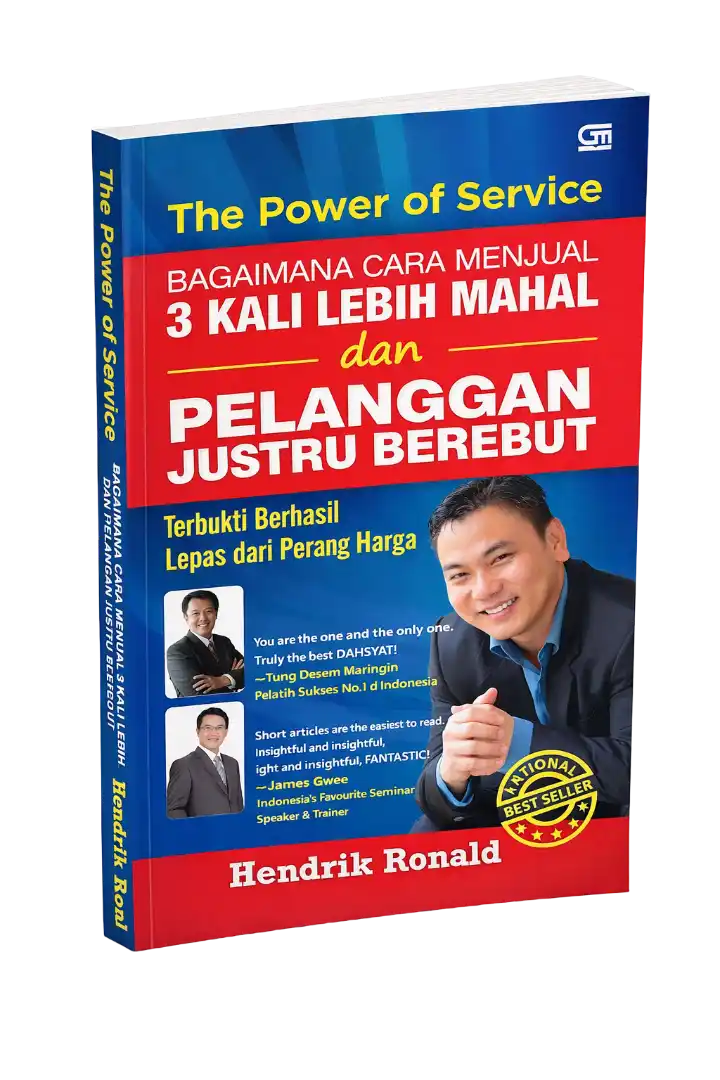
The Power of Service
National Bestseller, Indonesia
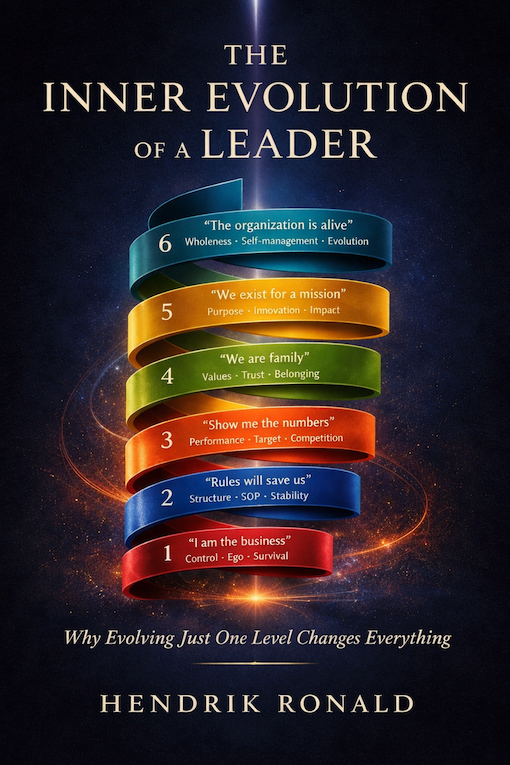
The Inner Evolution of a Leader
New release, a culture-level leadership story
Proof
We’ve worked across energy, banking, manufacturing, retail, government, F&B, automotive, healthcare, and aviation, for both global corporations and national champions, in Indonesia, Southeast Asia, and the Middle East.
Last year’s revenue was quadrupled within 6 months. Without realizing, my team flows automatically like water in the river.
Businesses we build for



Where to begin
A keynote opens the conversation. An engagement moves you past it.
Every organization is stuck at a level, whether that’s chaos, bureaucracy, internal competition, comfort, or something further along. Either way, we start with where you actually are, not a generic pitch.